

As I stepped into the vibrant streets of Cairo, I was immediately enveloped by a rich tapestry of history and tradition. The local culture is a fascinating blend of ancient customs and modern influences, which I found to be both intriguing and welcoming. The people of Cairo are known for their hospitality, often greeting strangers with warmth and kindness.
I quickly learned that engaging in conversation with locals not only enriched my experience but also provided me with valuable insights into their way of life. The bustling markets, known as souks, are alive with the sounds of bargaining and laughter, showcasing the community’s spirit and resilience. Cairo’s culture is deeply rooted in its history, with influences from various civilizations that have left their mark on the city.
As I wandered through the streets, I could feel the echoes of pharaohs, Islamic scholars, and colonial powers that have shaped this metropolis. The art, music, and literature reflect this diverse heritage, and I found myself captivated by the stories told through traditional dance performances and local art exhibitions. Understanding the local culture allowed me to appreciate the nuances of daily life in Cairo, from the significance of family gatherings to the importance of religious practices that guide many aspects of society.
Key Takeaways
- Respect local customs and traditions when visiting Cairo, such as dressing modestly and being mindful of religious practices.
- Utilize the city’s extensive public transportation system, including the metro and buses, to navigate Cairo efficiently and affordably.
- Don’t miss iconic attractions like the Pyramids of Giza, the Egyptian Museum, and the Khan El Khalili bazaar for a true taste of Cairo’s history and culture.
- Sample traditional Egyptian dishes like koshari, falafel, and ful medames at local eateries and street food stalls for an authentic culinary experience.
- Stay vigilant and be cautious of pickpocketing and scams, especially in crowded tourist areas, and avoid political demonstrations for your safety in Cairo.
Navigating Cairo’s transportation system can initially seem daunting, but I quickly discovered that it is both efficient and affordable. The city boasts a variety of options, including buses, taxis, and the metro system. I opted for the metro on my first day, which proved to be a smart choice.
The metro is clean, well-maintained, and offers a fast way to traverse the city. I appreciated the clear signage and announcements in both Arabic and English, making it accessible for tourists like myself. Each station was a small adventure in itself, filled with local commuters going about their daily routines.
Taxis are another popular mode of transportation in Cairo, but I learned that it’s essential to negotiate the fare before getting in. Ride-hailing apps like Uber and Careem are also widely used and provide me with a sense of security and convenience. I found it particularly helpful to have a local SIM card for my phone, allowing me to access maps and communicate easily.
While navigating the chaotic streets can be overwhelming at times, I embraced the experience as part of Cairo’s charm. The vibrant energy of the city is palpable, and each journey offered me a glimpse into the lives of its residents.
Must-See Attractions and Landmarks
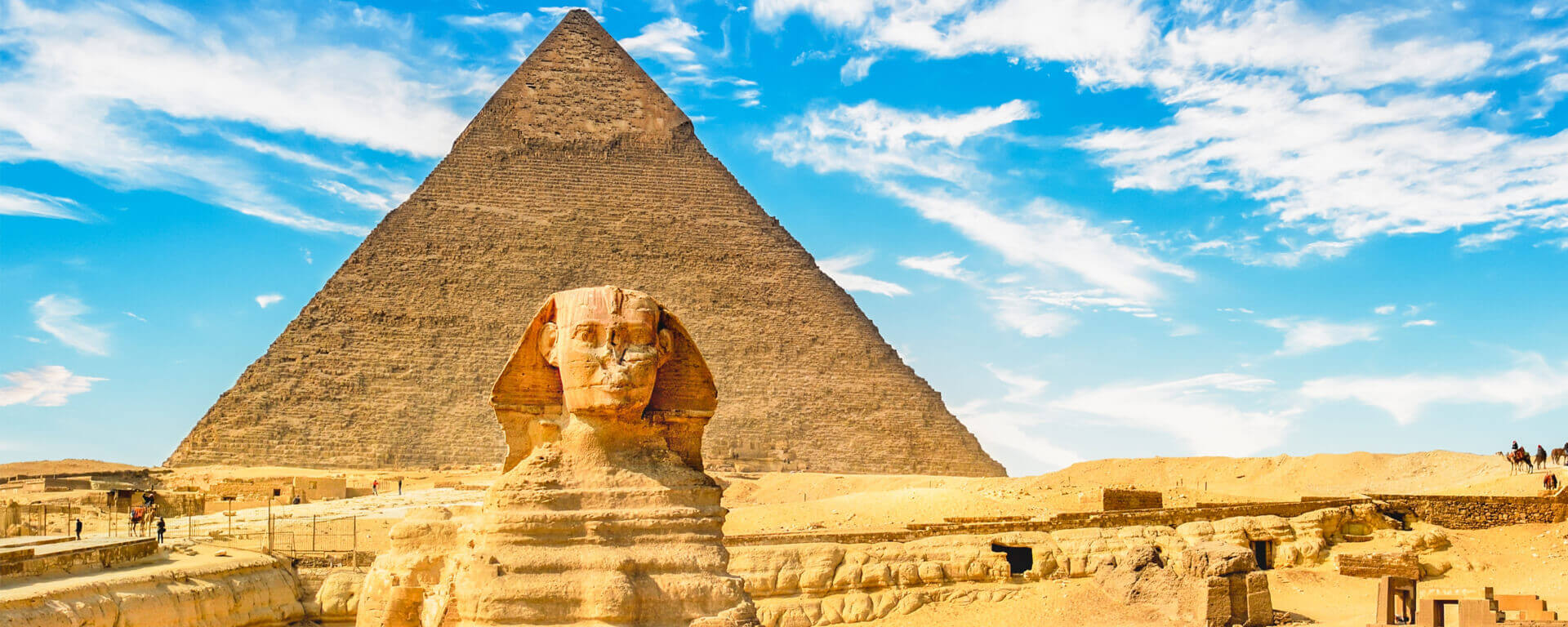
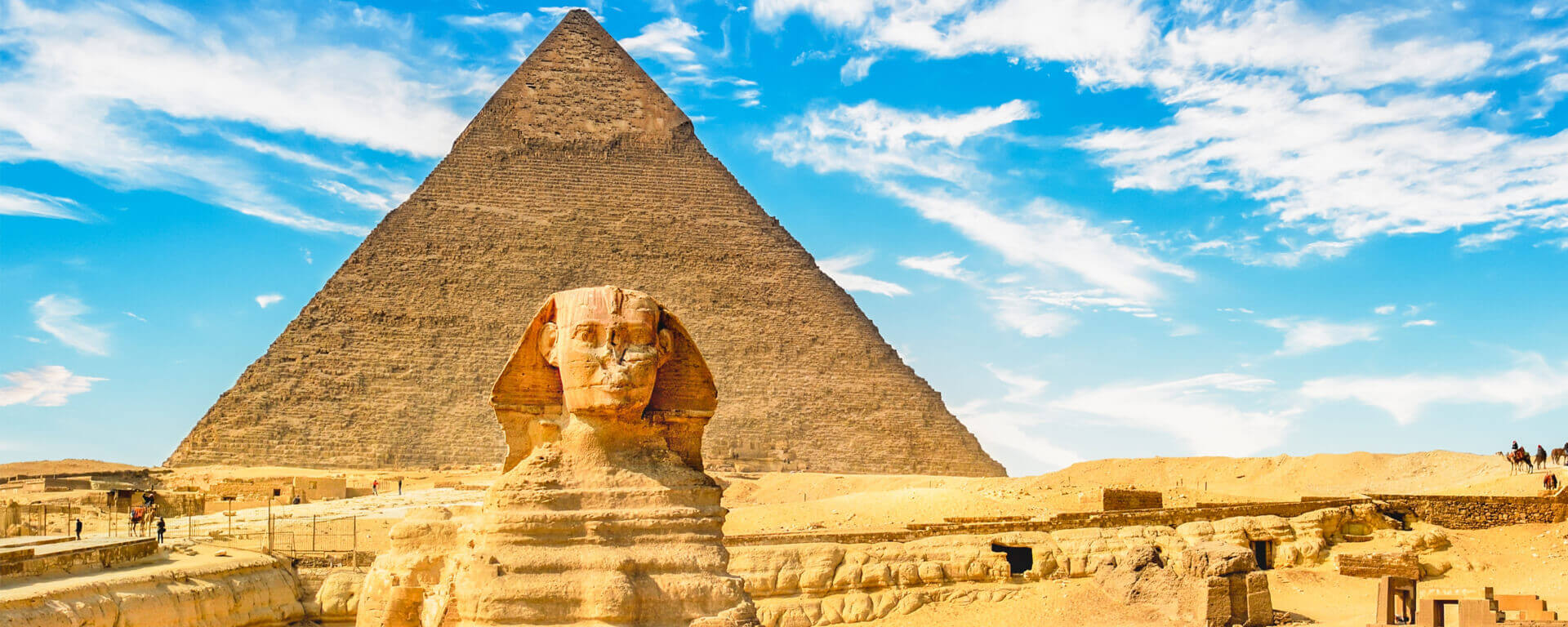
Cairo is a treasure trove of historical landmarks that left me in awe at every turn. The Pyramids of Giza were at the top of my list, and standing before these ancient wonders was a surreal experience. As I gazed up at the Great Pyramid, I felt a profound connection to history, imagining the labor and ingenuity that went into its construction.
Exploring the surrounding area, I also visited the Sphinx, whose enigmatic presence added to the mystique of this iconic site. I took my time wandering through the complex, soaking in the atmosphere and capturing countless photographs. Another highlight of my trip was the Egyptian Museum in Tahrir Square.
The museum houses an extensive collection of artifacts from ancient Egypt, including treasures from King Tutankhamun’s tomb. As I walked through the exhibits, I was struck by the artistry and craftsmanship of the ancient Egyptians. Each artifact told a story, revealing insights into their beliefs and daily life.
I spent hours marveling at mummies and intricate jewelry, feeling as though I had been transported back in time. The museum is a must-visit for anyone wanting to understand Egypt’s rich history.
Dining and Cuisine Recommendations
| Restaurant Name | Cuisine Type | Rating |
|---|---|---|
| La Petite Maison | French | 4.5 |
| Sushi Samba | Japanese-Brazilian | 4.3 |
| The Cheesecake Factory | American | 4.0 |
Cairo’s culinary scene is as diverse as its culture, offering a delightful array of flavors that tantalized my taste buds. One dish that I couldn’t resist trying was kosher, a hearty mix of rice, lentils, and pasta, and topped with a spicy tomato sauce. It’s a popular street food that I found at various stalls throughout the city.
Each vendor had their twist on this classic dish, making it an exciting culinary adventure. Eating kosher while sitting on a plastic stool at a local eatery allowed me to immerse myself in the everyday life of Cairenes. I also indulged in traditional Egyptian breakfast dishes like ful medames—stewed fava beans served with olive oil, lemon juice, and spices.
Pairing it with fresh pita bread made for a satisfying start to my day. For those with a sweet tooth, I highly recommend trying baklava or basbousa, both of which are rich desserts that showcase the region’s love for sweets. Dining in Cairo is not just about food; it’s an experience filled with flavors, aromas, and social interactions that make each meal memorable.
Safety and Security Tips
While Cairo is generally safe for tourists, I took certain precautions to ensure my well-being during my stay. One of the first things I did was familiarize myself with common safety tips for navigating busy urban environments. Keeping my belongings secure and being aware of my surroundings became second nature as I explored the city.
I avoided displaying valuables openly and opted for a crossbody bag that allowed me to keep my essentials close. I also made it a point to stay informed about local customs and areas to avoid after dark. Engaging with locals helped me gain insights into safe neighborhoods and recommended places to visit.
Additionally, I found that using reputable transportation services added an extra layer of security to my travels. By being cautious yet open-minded, I was able to enjoy all that Cairo had to offer while feeling secure in my surroundings.
Shopping and Souvenir Advice
Immersing in the Vibrant Markets
Shopping in Cairo is an adventure in itself, with bustling markets offering everything from spices to handcrafted goods. One of my favorite experiences was visiting Khan El Khalili bazaar, where I lost myself among the vibrant stalls filled with colorful textiles, intricate jewelry, and traditional crafts.
The Art of Bargaining
Bargaining is part of the shopping culture here, and I found it both fun and challenging to negotiate prices with vendors. It became a game of sorts—one that allowed me to connect with locals while acquiring unique souvenirs.
Uncovering Egypt’s Rich Heritage
When selecting souvenirs, I focused on items that reflected Egypt’s rich heritage. Papyrus paintings caught my eye as they beautifully depicted scenes from ancient mythology. Additionally, I picked up some handmade pottery that showcased traditional designs. As I filled my bag with treasures from Cairo, I felt a sense of accomplishment knowing that each item held a story worth sharing back home.
Etiquette and Customs
Understanding local etiquette was crucial during my time in Cairo. Egyptians are known for their hospitality, but there are certain customs that visitors should be aware of to show respect for their culture. For instance, when entering someone’s home or a mosque, it’s customary to remove your shoes as a sign of respect.
I made sure to follow this practice whenever appropriate, which helped me connect more deeply with locals. Another important aspect of etiquette is greetings. A simple “Salam Alaikum” (peace be upon you) goes a long way in establishing rapport with locals.
I found that taking the time to learn a few basic Arabic phrases not only endeared me to those around me but also opened doors to more meaningful interactions. Additionally, being mindful of dress codes—especially when visiting religious sites—ensured that I was respectful of local customs while enjoying my travels.
Day Trips and Excursions from Cairo
Cairo serves as an excellent base for exploring nearby attractions that showcase Egypt’s diverse landscapes and history. One day trip that I thoroughly enjoyed was visiting the ancient city of Memphis and the Step Pyramid of Saqqara. Just a short drive from Cairo, these sites offered a glimpse into Egypt’s early dynastic period.
Standing before the Step Pyramid was awe-inspiring; it felt like stepping back in time to witness the evolution of pyramid construction. Another excursion that captivated me was a visit to Alexandria along the Mediterranean coast. The city’s rich history as a center of learning and culture was evident in its stunning architecture and vibrant atmosphere.
Exploring landmarks like the Bibliotheca Alexandrina and the Catacombs of Kom el Shoqafa provided me with a deeper understanding of Egypt’s historical significance beyond Cairo. Each day’s trip enriched my experience and allowed me to appreciate the diverse beauty that surrounds this incredible city. In conclusion, my journey through Cairo was an unforgettable experience filled with cultural discoveries, culinary delights, and historical wonders.
By immersing myself in local customs and engaging with residents, I gained insights that transformed my visit into something truly special. Whether navigating bustling streets or exploring ancient landmarks, every moment spent in this vibrant city left an indelible mark on my heart.
FAQs
What are the must-see attractions in Cairo?
Some of the must-see attractions in Cairo include the Pyramids of Giza, the Egyptian Museum, the Khan El Khalili Bazaar, the Citadel, and the Al-Azhar Mosque.
What is the best time of year to visit Cairo?
The best time to visit Cairo is during the spring (March to May) and autumn (September to November) when the weather is milder and more comfortable for sightseeing.
What should I wear when visiting Cairo?
It is recommended to dress modestly when visiting Cairo, especially when visiting religious sites. Women should cover their shoulders and knees, and both men and women should avoid wearing revealing clothing.
Is it safe to visit Cairo?
Cairo is generally safe for tourists, but it is always important to stay aware of your surroundings and take necessary precautions. It is advisable to avoid large crowds and be cautious of pickpockets in tourist areas.
What is the currency used in Cairo?
The currency used in Cairo is the Egyptian Pound (EGP). It is recommended to exchange currency at banks or official exchange offices for the best rates.
What is the local language spoken in Cairo?
The official language of Cairo is Arabic. While many people in the tourism industry speak English, it can be helpful to learn a few basic Arabic phrases for communication.


